
Geofencing is an up and coming digital advertising trend that’s really making its mark in the industry. In fact, according to Post Funnel, 53% of consumers visit a business after receiving location-based targeted ads on their phone. Now that’s a topic worth exploring! We helped launch successful targeted geofencing campaigns for a few of our clients including Saccucci Honda, Prestige Auto Mart, and Rob Levine & Associates!
There is so much to understand and absorb when it comes to the latest technologies we all are exposed to. We compiled this outline to help explain the process of geo-fencing.
- Choose target location(s) to geo-fence (normally against competitors and in heavily populated areas)
- Determine the amount of impressions will be used in the campaign. You should consider impressions like radio and tv spots. High frequency is most effective.
- One pixel is used to capture Abandoned Visitors (AV) on landing page(s) used during the campaign. Pixels are snippets of code that allow you to gather valuable information about website visitors and what actions they took, so you can send them ads that are most relevant to them
- One pixel is used with banners ads created to support campaign (a URL link)
- One pixel is used to GEO-Blanket your location. This will allow us to capture data from anyone who has a cell phone that enters your location and opted in to be marketed to by third party companies
- Design a custom email blast to be sent out to anyone 30 seconds after they click on the ad
- If a client wants a custom direct mail piece, it can be mailed to anyone 3 business days after clicking on the ad
- All data we capture can be used for drip campaigns automated in your CRM system
If you don’t understand what captured data is, keep reading.
When a cell phone enters a geo fenced area, whether you click on an ad or not, your phone will be tagged. This will allow ads to be served for up to 30 days and be cross-pollinated to home or work computers/tablets as long as you are connected to internet/Wi-Fi. Any of the users compliant info will also be extracted and provided in separate nightly reports. These people can/will be funneled into a CRM and spoken to through a drip campaign. We normally capture first and last name, email and/or cell phone number and mailing address.
If you don’t understand what an abandoned visitor is, keep reading.
If anyone clicks on your ad (geofence) or visits your website and leaves (Abandoned Visitors), we can get ALL of their available information like first and last name, mailing address, phone number, email, and so on. We will get reports daily allowing you to cross reference the data or do whatever else you would like with this information! Geo-fenced advertisements, which capture the Mobile ID, can be cross referenced with the compliant information grabbed from the Abandoned Visitors pixels.
For example, there is someone in the emergency room in a hospital and they get served a geo-fenced advertisement. They click through and visit the landing page where we have the abandoned visitors pixel located. We are able to capture that person who saw the ad, clicked through to the landing page, and extract any information if it is compliant.
The banner ads from the geo fence are sent to 1 person, 1 time per day. However if, for example, the person goes to their house after they have gotten the banner on their cell phone, they could potentially get more messages on other devices as the devices cross-pollinates on the same network.
Next, a virtual Conversion Zone is traced around your location. This will result in offline conversions, which are virtual boundaries drawn around your business location via a GPS map. Conversion Zones allow us to track the amount of physical traffic the targeted location has previously seen based off of one of your ads, just from the user visiting the geo-fenced location.The SkyNet option keeps competitors from placing a Geo-Fence around your physical locations. This is a great extra step to take when participating in geofencing.
Here are some definitions of other important factors involved with a geo-fencing campaign. These are tactics that DDL uses to execute the job. For these definitions, we will say the business we are marketing is a casino.
Competitor Keyword- users who have searched for the competitor’s name in your market. Once they do that, your ads will be served to them.
Category Contextual- users who are searching for information that relates to visiting a casino and they view websites that fall under that particular industry.
Abandoned Visitors- people who have visited your website and left. They may or might not have filled out any contact information.
Keyword Search Retargeting- people who are using specific keywords that relate to people searching for info about your casino. This includes monthly offers/promos, entertainment, dining, table games etc.
All of these scenarios will include your ad being served to these people. How cool?!
Over the last couple years, we have been executing more and more of these types of campaigns. They are very effective, provide a lot of valuable reporting, and the transparency is crystal clear. Let’s check out some geofencing campaigns we helped launch for a few of our clients for various objectives.
Here are some of the ad designs we created for our clients.
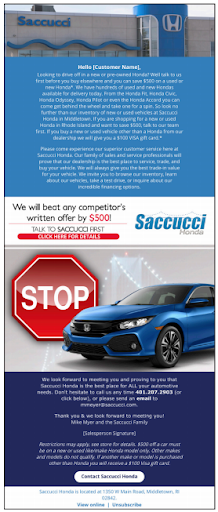
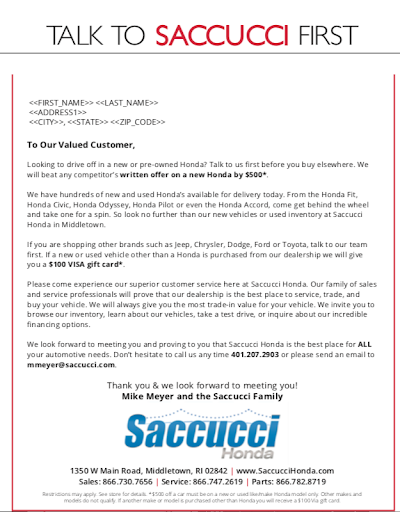
Saccucci Honda wanted to drive customers to their dealership with an enticing offer. We designed an email blast, direct mail piece, mobile geofence ad, and landing page.
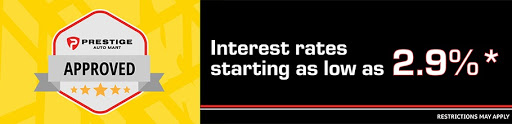
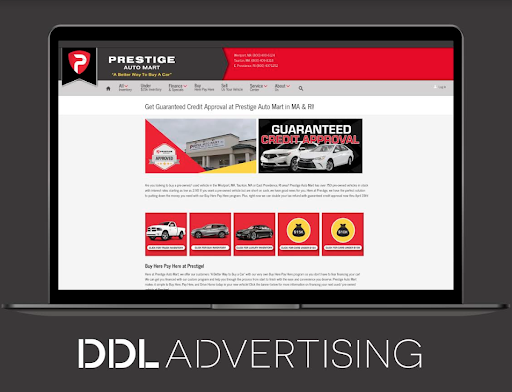
For Prestige Auto Mart, the messaging strategy was a “double your money with guaranteed credit approval” offer encouraging customers to use their tax return at Prestige. Once the tax return season was over, we modified the ad designs to reflect a more general messaging strategy, communicating their “Buy Here, Pay Here” financing program, guaranteed credit approval, vehicle inventory, and so on. We designed ads, email blasts, and a landing page.







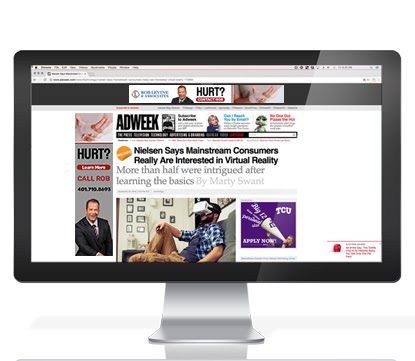
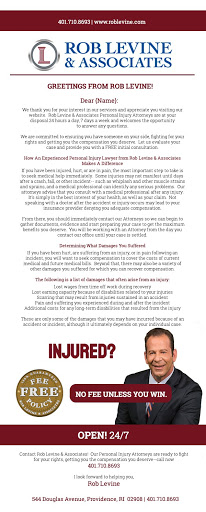
We also ran a geofencing campaign for Rob Levine & Associates to support personal injury and social security.







In totality, these three geofencing campaigns were very successful generating over a million impressions of combined impressions, thousands of in person visits and leads and even more in sales.
Geofencing is a great way to utilize location based advertising and be one step ahead of your competition. If you’re interested in geofencing services for your business, give DDL a call!

 – Banner ad designs for display and mobile.
  – Ads served on mobile devices.
